Saturday, 25 December 2010

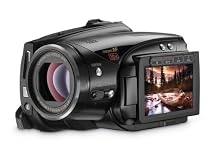
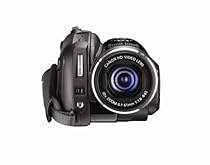
Canon VIXIA HV30 MiniDV High Definition Camcorder with 10x Optical Image Stabilized Zoom

Canon VIXIA HV30 High-Definition MiniDV Camcorder

  • Capture high-defintion video to MiniDV

  • 10x optical zoom; SuperRange Optical Image Stabilizer

  • 24p Cinema Mode; 30p Progressive Mode

  • 2.7-inch widescreen Multi-Angle Vivid LCD

  • Simultaneous photo capture


More detail ...

Friday, 24 December 2010

Canon GL2 MiniDV Digital Camcorder w/20x Optical Zoom

RE)CANON GL2 DIGITAL CAMCORDER Kit

  • 20x optical zoom lens (digital zoom to 100x) and image stabilizer

  • 2.5-inch LCD with 270-degree rotation

  • Save to MiniDV tape or MMC/SD card (8 MB SD card included)

  • Record for up to 65 minutes on one battery charge


More detail ...

Thursday, 23 December 2010

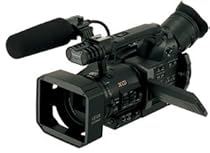
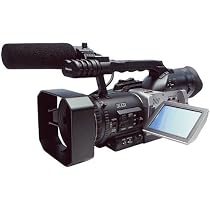
Panasonic Pro AG-DVX100BP(S) 3-CCD MiniDV Proline Camcorder wi th 10x Optical Zoom

1/3" 3-CCD 24P/30P/60i DV Cinema Camera with CineSwitchTM Technology CineGammaTM Software and IEEE 1394 Interface

  • Allows synchronous setting of time code values among multiple cameras

  • 3 CCD image system; 24P/30P cinema mode; manual operation

  • Wide-angle zoom lens perfect for small-room shooting close-ups and self-recorded interviews

  • High-sensitivity slow shutter (in cumulative) function

  • Professional digital video camera


More detail ...

Monday, 20 December 2010

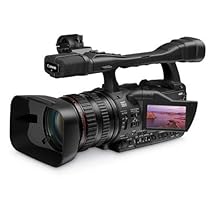
Canon XH-A1S 3CCD HDV High Definition Professional Camcorder with 20x HD Video Zoom Lens III

For the professionals who require a smaller lighter weight HD camcorder but who won't give up capability and performance Canon offers the XH A1S. Our latest in a family of high quality HDV camcorders the XH A1S delivers advanced features and a wide range of image parameter controls to make your vision a reality. Starting with the superb Canon Genuine Canon 20x HD lens with Professional L Series Fluorite the XH A1S adds 3CCDs each of which is at 1440 x 1080 pixels (1080i). It also means you can be sure that your shooting in the field will be the best it can be with Canon's SuperRange Optical Image Stabilization. It corrects for a wide range of camera movement and vibration and combined with Instant AF (Auto Focus) you'll get ultra-quick accurate focus. The DIGIC DV II HD image processor finishes the picture with improved color reproduction and noise reduction - for a final result that delivers excellent image quality. To further ensure that your vision is realized the XH A1S gives you features that let you make manual adjustments to fine-tune your video- the ultimate in total image control. For those situations in which you need to let your camcorder take care of exposure and image controls the automatic settings on the XH A1S will expertly assist you. You'll find flexibility versatility and capability in the extensive array of features and optional accessories of the XH A1S. It is bound to meet and exceed your highest expectations. The XH A1S also comes with Canon's innovative SuperRange Optical Image Stabilizer (OIS) which combines gyro- and image-sensors to give image stabilization through a wider range of camera motions. Some image stabilization systems correct one type of camera motion or vibration better than another. But Canon's SuperRange OIS corrects for a wide range of camcorder motion: the fast vibration you'd experience while recording from a moving car; the medium-speed motion of hand-held

  • Genuine Canon 20x HD video zoom lens with Professional L Series Fluorite; Independent manual focus. zoom and iris ring

  • Three 1/3-inch native 16:9 CCD with 1.67M pixels (1440 x 1080); 1080 HD resolution with choice of 60i 30F and 24F frame rates

  • Canon DIGIC DV II HD Image Processor

  • Complete Customization: Iimage adjustments display adjustments custom functions; Nine custom presets and two custom keys

  • 2.8-inch Widescreen LCD (207000 Pixels) and 0.57-inch Color Widescreen EVF (269000 Pixels)


More detail ...

Thursday, 16 December 2010

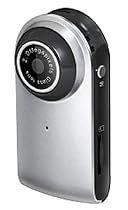
GSI World's Smallest/Lightest High-Definition Digital Camera Ultra Video Camcorder Voice Recorder Webcam 8gb Built in Memory

This ultra cool gadget is designed as a Camera/Camcorder/Voice recorder/Webcam all built into one tiny sleek device that will disappear into the palm of your hand. Use it as your personal Camera or as a Spy camera.

  • HD 2.0 MP Point-Shoot Camera 1600 x 1200 Dpi Low light illumination

  • Webcam High Speed Voice recorder up to 250 hours

  • Captures crystal clear ultra video 720 x 480 px upload video to PC easily

  • Responds to light environmanet instantly Supports TF card MAX 16gb

  • The size of a finger a great Spy gadget facilitate Easy video surveillance


More detail ...

Tuesday, 14 December 2010

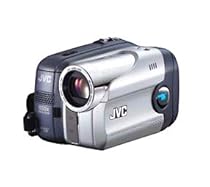
JVC GR-DA30US MiniDV Camcorder with 30x Optical Zoom

Movie stars aplenty. Biographies have evolved from birth through adolescence. All to be viewed on a screen. That's the camcorder generation. Capture your memories on the road or at home with the JVC GR-DA30 US Mini DV Camcorder. Seeking a camcorder? Seek no more! This newly styled JVC camcorder is designed for those who are searching for a fun and slimline camcorder while maintaining a full feature package within. The GR-DA30US boasts a 680000-Pixel CCD Super High Band Processor for 520 lines of horizontal resolution. The maximum user friendliness is achieved with Power-Linked Operation (always ready to record) Night Alive ( for low-light recording) High Resolution 2.5" Amorphous Silicon LCD Color Monitor 700X Super Digital Zoom with Spline Interpolation Digital Picture Stabilizer and Long Time Recording Capability. Got a widescreen HDTV? The Wide (16:9) Mode allows you to shoot high-quality 16:9 aspect ratio video. This widescreen format is typically found in today's flat panel displays. View Standard Definition videos that fill those widescreens. Enjoy the JVC GR-DA30 MiniDV Digital Camcorder. 700X Digital Hyper Zoom with Spline Interpolation 16x9 Squeeze Mode PCM Digital Stereo Audio Iris Lock Wide Mode Manual focus Exposure and White Balance modes Black Fader Digital Wipes and Fades High Density Image Recording Mini DV NTSC (SD specifications) BN-V408U 800 mAh Lithium-ion High Capacity rechargeable battery pack Built-in AC Power Adapter/battery charger i.Link Digital Input/Output (IEEE 1394 compliant DV in/out S-Video Output Shoulder strap AC Adapter and AV output cables 1-year parts 90 days labor warranty 1.15 LBS. (.52KG); 3.7 INCHES (94MM) x 2.7 INCHES (68.5MM) x 5.63 INCHES (143MM)

  • High picture quality with 680000-pixel CCD super High band processor for 520 lines of horizontal resolution

  • View videos with a high resolution 2.5-inch amorphous silicon LCD color monitor

  • Features a digital picture stabilizer and long time recording capability

  • Always ready to record with the user-friendly Power-Linked Operation

  • Includes Night Alive for improved low-light recording


More detail ...

Saturday, 16 October 2010

Sony DCR-HC36 MiniDV Digital Handycam Camcorder with 20x Optical Zoom

CL) MU) SONY DCR-HC36 DV CAMCORDER

  • 1/6-inch CCD imager

  • MiniDV recording format offers up to 500 lines of horizontal resolution

  • 20x optical zoom with Super SteadyShot picture-stabilization system

  • 2.5-inch high-resolution touch-panel SwivelScreen LCD display rotates up to 270 degrees for multiple viewing angles

  • Super NightShot Plus Infrared System captures natural-looking video in low light


More detail ...

Sunday, 26 September 2010

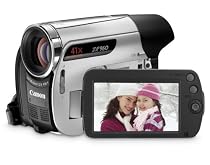
Canon ZR960 MiniDV Camcorder w/41x Advanced Zoom - 2009 MODEL


People are Confused about MiniDV - It is NOT obsolete5

I am getting very upset because all of the people who say they have done video for 25 years should no better than to say that MiniDV is obsolete! MiniDV records in 500% compression. MINI DVD and HardDisk HDD and FLASH cameras record in 1500% compression. MiniDV records in in superior DV AVI format which has individual frames and editing can be done WITHOUT LOSS OF QUALITY once uploaded to your computer. The MINI DVD/HDD/FLASH cameras are NOT better in this respect they are far worse.


Consumer MINI DVD/HDD/FLASH cameras have not reached a level where they can compete with MiniDV for high end recordings. MiniDV doesn't take longer to edit. You have to play it back in real time but in order to EDIT .MPEG videos from MINI DVD/HDD/FLASH you have to spend an hour converting it over to uncompressed AVI format! Either way you have to spend an hour. It makes much more sense to start out with high quality RAW video and then compress it AFTER you edit it. You can ONLY do this with MiniDV.


The MINI DVD/HDD/FLASH cameras are only good for NON TECH junkies who don't care about quality and just want to record home movies. You will lose more quality with these cameras than you will with the superior MiniDV.


If you are going to use a MINI DVD/HDD/FLASH camera you should NOT edit the video direclty. You need to uncompress it and convert it into a superior AVI format because it lends itself to editing. That means you need to use a video converter on your computer and convert the MPEG2 video to AVI before editing. With MiniDV you don't have to since MiniDV records in AVI and only AVI which is ready for editing as it is just upload in real time to your pc cut frames out and then conver it into MPEG2.


MiniDV is getting a bad name because it uses a tape. This is not right. It actually records with LESS compression than a comparable store bought DVD! Now you know what this means. Uncompressed video is always better to start with than starting with compressed video.


Please research MiniDV more before giving it a bad name. It is not going to be obsolete until the MINI DVD cameras can record uncompressed video which for all practical purposes will never happen. SO that leaves HDD and FLASH cameras which will eventually have that option but they don't have that option yet so for now MiniDV Is the best for for home video projects that require video editing.


More detail ...

Thursday, 23 September 2010

Canon VIXIA HV40 HD HDV Camcorder w/10x Optical Zoom - 2009 MODEL


The Latest Revision of an Excellent Camcorder5

Over ten years ago I bought Sony's legendary TRV-900. It was a consumer camera so good and so ahead of its time that it remained on the market for four years - an eternity in the consumer electronics industry.


Canon has a similar product in their HV series HDV camcorders. They released such an outstanding camera two years ago with the HV20 that the two new models since (the HV30 and now the HV40) are really just small refinements of a mature and well designed product.


**NEW FEATURES**

So let's get one thing out of the way up front: There really isn't much of a difference between this camera and last year's HV30 (which was a small upgrade on the superb HV20). As an HV20 owner I felt right at home when this arrived and I powered it up. Video quality is about the same they look pretty much the same and overall performance is the same too.


What is different is the addition of true 24P recording which offers a more film-like frame rate over the standard 30 frames per second. It should be noted that prior versions of this camera (as well as Canon's AVCHD models) also shoot 24P but that mode requires additional software to get to "true" 24P video when editing. You'll want to check to ensure that your editing software supports true 24P footage as it's not a configuration that is on many consumer cameras.


**AVCHD OR HDV?***

If you're reading this it's likely that you're in the market for a new camcorder. It's also likely that you're confused over the multitude of different formats currently available: hard disk flash memory tape etc. etc.


Despite the many recording mediums the current crop of consumer cameras can be delineated into two camps: AVCHD (the hard disk and flash based cameras) and HDV (tape based).


HDV cameras have two advantages over their AVCHD counterparts. The first while not as compelling a reason as a year ago is compatibility. HDV was the first consumer HD format and is almost universally supported by just about every video editing software package released over the last three to four years. In addition the HV40 can also shoot in the older standard definition DV format a format so old that even software and hardware from ten years ago can work with the footage.


Another factor to consider is the firewire port. Want to record directly to your PC or Mac? Or perhaps do a live broadcast to UStream or Stickam? HDV cameras like the HV40 stream compressed video in realtime over Firewire something the AVCHD cameras don't do.


Still Canon's AVCHD cameras are now recording at a higher bitrate and with a more advanced video compression algorithm that makes for better image quality. Canon's flash based cameras like the outstanding VIXIA HFS100 are mostly solid state and lack the complex (and delicate) machinery of a tape-based camcorder like the HV40.


**CONCLUSION**

Canon's HV20 was a very mature product right at launch and that maturity continues in this iteration. Still there's nothing so compelling in the HV40 that makes it a necessary upgrade for HV30 or HV20 owners. For first time buyers if you're able to pick up an older model at a lower price you won't be making much of a sacrifice in terms of features. It's a great camera just not any greater than the prior versions!


For most consumers HDV cameras are old technology. In fact I wouldn't be surprised if the HV40 is the last tape-based camcorder Canon releases to market. AVCHD has matured to the point that I am now recommending that to friends over HDV based cameras. AVCHD's lack of moving parts combined with the very low cost of flash memory makes it tough to recommend the bulkier mechanical alternatives like the HV40.


If however you're using an older computer or need to stream video live the HV40 is one of the best (if not the best) HDV consumer cameras on the market.

More detail ...

Tuesday, 21 September 2010

Sony DCR-HC52 MiniDV Handycam Camcorder with 40x Optical Zoom


Entry Level Handycam5

First let's correct the Amazon description this is a 40X optical zoom camera not 25X as seen on the product itself.


This is a great camera to start out with the simplicity of Mini DV tapes makes this a good value choice. DVD camcorders in this price range suffer from bad battery life and disk errors that can render your disks useless. The Mini DV tapes are tried and true.


I use an Apple computer at home and the camera connects to iMovie with no problems using the iLink port on the camera. All you need in most cases is a Firewire 6pin to 4pin cable and you are good to go.


The video and audio quality are good and the night vision is fun too. This is not a upper level camera so don't expect several bells and whistles but it performs great and has the basic features most people will ever need. The battery life is fair but that is expected all camcorder companies want you to buy an extra battery but at least Sony gives you several options.


With a full charge and a new tape expect about an hour of record time.More detail ...

Friday, 18 June 2010

Canon GL1 MiniDV Digital Camcorder with Lens & Optical Image Stabilization


Optically Superior to Sony5

This is one incredible camera. Here are some of the best features about it:

-3CCDs

-L Series Fluorite Lens

-All Manual Controls

-Progressive Scan

-Optical Stabilization

-Large Manual Focus Ring

Of course we all know that 3CCDs are far better than one... I need not go into more depth there. As far as the lens goes some have argued that they see no difference of quality over that of Sony's. This may be due in part to the fact that they are looking for a difference in resolution. When compared in numbers to some of the 3CCD models of Sony you may think that this is a lower resolution camera (which can be a very deceiving thing). It is recognized that a camera with a high resolution in numbers does not equal a pleasing or sharper image. When you compare the color of a Sony and this GL1 (or any other Canon against a Sony for that matter) there will be no comparison. The Sony will inevitably lean towards the blues giving a very cold unnatural feeling which can often result in having to waste time in post by adding color corrections. The Canon will have a much warmer more natural coloring. With deeper richer blacks.

The Progressive Scan (or frame mode) is beautiful. It gives the footage a much more film like jitteriness instead of the liquid smooth interlaced footage that is usually the only option you have on most Sony camera models. It is called "frame mode" because it captures 30 FULL frames per second instead of 60 FIELDS per second (top field and bottom field) being joined together to make the 30 frames which when slowed down will show interlaced lines. Some say ...that Progressive Scan is only meant for a "digital motor drive" where you capture 30 frames per second with the intent of getting still pictures from it. Yes this is a possibility... but no video is not really high resolution enough to use this for any real purpose other than having a somewhat grainy image for a home web site. I have not heard of ANY professional using it for anything other than to shoot a real project as true video footage. Video to film transfer locations prefer people to use progressive scan to shoot on their GL1 or XL1 for film transfer. It loses much less quality in the process. There are many commercials and documentaries (as well as independent films) which have started shooting in progressive scan on the GL1 and XL1 in order to get the higher budget film look.

The manual controls on this camera give you such control that you can achieve truly professional results. You have control over - Shutter Speed Aperture Gain White Balance Focus exposure etc. If you want the choppy effect of Saving Private Ryan or Gladiator's battle scenes just up the shutter speed to 250 or higher. Or if you want a lot of background blur open the lens way up.

Ah yes... the image stabilization. You won't get anything close to it on other brands. They all have a slight shake and jitter never truly stabilizing it especially when zoomed. This one has none. It only floats. And of course if you want that jittery handheld look of some of the new films and such just turn it off. But when you want smooth non jittery handheld shots it's always there.

If you are trying to decide what camera to get always go down the Canon road. Almost all of them have features that Sony only tries to make up for with home userish built effects and such cheesy non-professional effects that one can achieve if they have a computer to edit on (and still want the effects by then. Why record it permanently when you might change your mind later). Some Sony users complain about how Canon does not have good still picture resolution. I say "who needs still pictures on a camcorder??" That should be left to 35mm or a digital camera devoted to that form of media alone. I have yet to see a printable good looking still even from a Sony. Both the video format and the small included memory cards cannot handle the resolution required of this. With all the manual controls the far superior color and the incredible look of progressive scan one must have only the choice to go Canon. If you are an aspiring documentary or commercial maker trying to decide between a GL1 and an XL1 (not likely) the advantage of the GL1 (besides the price) is that it is small. This allows you to be in crowds shooting without stares from everybody. Or shoot where you would otherwise be unable. This can also be a downfall. It may look wimpy to the client (of course once they see the footage they will probably buy one themselves). ....

Lastly I just want to say that I would highly recommend this camera but if you can afford it go with the XL1 (...) it is even better!More detail ...
Tuesday, 15 June 2010

Sony DCR-HC28 MiniDV Handycam Camcorder with 20x Optical Zoom


Nice little camcorder4

I purchased this camera as a replacement for Canon Optura 20 which was dropped and when estimate for repair exceeded price of this camera I decided to move on. After using DCR-HC28 for several weeks I believe this is a very neat package. Overall I am very satisfied with this camera. One of the first things that I noticed is that color representation in low light conditions is much more accurate than that of Canon. I grew accustomed to adjusting Optura's white balance indoor in order to get accurate color tones. Now I am finding that automatic settings work just fine and in fact I didn't have a reason to play with presets as of yet. This camera is more of a "point and shoot" type than Canon. It provides you with manual controls but they are not easily accessible. Still I have not found a reason to mess with these. Besides for those who would claim that manual settings are necessary for advanced/professional type of filming I would point to the price tag and ask where and when did they last see an advanced/professional camera for under $300?

This camera is also about half the size of Canon and combined with low price and weight produces a package that I can drag with me while going to the beach bicycling hiking etc and not having to worry about ruining expensive piece of electronic gear as was the case with my Optura which at the time when I bought it cost me about 2.5 times of what I paid for Sony.

So far I've used this camera in about all of the lighting conditions that I would expect to ever having to consider. I have NO COMPLAINTS about its performance. Picture seems to be sharply focused and color tones are correct. Focus is fast enough to keep up with little kids or to shoot some sports/action. Sound quality of the microphone is quiet acceptable. There seems to be very little noise from drive motor and it is not picked up by the mic so it is not transferred to your recording. All of the essential controls and menus are within easy reach.

There are few negative points that prevent me from giving this camera 5-star rating. Lack of any kind of accessory shoe or external microphone input is a drawback. It would be nice to have these as it would increase range of conditions under which one can use it. Still among my friends who actually have a camcorder about 90% don't own an accessory light or external microphone so if it was possible to lower camera cost by omitting these features it is not a criminal move on part of Sony. The LCD display could have been a bit larger and it would not hurt if Sony would provide it with more freedom of motion - it only swings out to 90 degree angle and in certain situations it is a limiting factor.


More detail ...

Monday, 14 June 2010

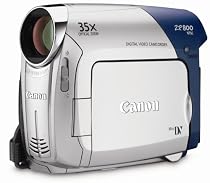
Canon ZR800 MiniDV Camcorder with 35x Optical Zoom


A First Look4

I am writing to offset some negative opinions on this unit. I bought the Canon because it has facilities for an external mike. I am a new camcorder user and so have no practical experience to bias my opinion one way or another. First on the matter of tape drive noise: yes I can hear it if I put the unit up to my ear. But no noticeable noise comes up on actual movie clips when played back through my computer. Second they claim you can interconnect and capture clips to your computer. What they don't tell you is that you need a Firewire card and cable (about $70.00 total at Best Buy). You cannot simply hook up through the available computer USB port. Fortunately Microsoft provides the necessary drivers in the XP OS and minimal capture software called "Moviemaker".


I am not too pleased with the tape system but considering the price of the unit I think it is a bargain. Finally I have become aware through short experience with the unit that the ergonometric design for the right hand was very well thought out. Your thumb easily controls on/off and tape transport functions. It is really easy to use at least for right handed users. All considered I am satisfied with the product. Of course if it dies next week I will have a different opinion.More detail ...

Sunday, 13 June 2010

Canon XL2 3CCD MiniDV Camcorder w/20x Optical Zoom


The real story from someone who uses the camera4

O.K. I have been taking a beating from camera rental houses this past year so when I needed to finish a project that was dragging on and forcing me too shoot on many different days I said "what the heck" and put down the money for the XL2. I was a reluctant buyer not excited at all about buying a DV camera. I was ready to be disappointed by another crappy and expensive DV camera.


Two months later I'm glad I bought it and I'd say that it is the best prosumer DV camera out there period.


Here are some of the positives and negatives about the camera based on experience.


Positives:


1) Clean signal: While not as good as something like the Sony DSR 500 its a cleaner signal than the VX2000 PD150 and the Panasonic DVX100a. Of all the DV cameras I've shot on I like the XL2's signal the best.


2) Interlacing: I've shot a great deal on Sony cameras. Especially the DSR 500 and The Sony image is always funky the interlacing is always visible specifically in details like hair and what not. Even with all the menus set properly by a great DP the Sony cameras always have a very hard and interlaced look. Even When shooting in 60i mode The XL2 does not have this and it handles fine details better than the Sony cameras I am used to.


3) Buttons and menus: The design of the button lay out and menus is very good. If you have shot on the Panasonic DVX100a you will really enjoy how the canon is laid out you don't have to go deep into the menus for every shot on the XL2. The one really bad decision was putting the film grain and color bars on the same button. THAT was a mistake. Why they hell does this camera have a film grain button anyway?


4) BNC output: A small but really helpful addition to the XL2 is that it has a BNC out. For anyone who knows how those BNC to RCA adopters tend to fall off or get lost its about time that a pro-sumer camera included this simple thing for people who use an external monitor.


5) The custom menus:

For professionals: If you have shot on pro cameras you will naturally look at the custom menus as a joke a pro-sumer "toy". I won't try to tell you that they aren't a "toy" But they do actually work! Which is a great surprise. I have used the camera on sets and on outdoor documentary sports shoots. I find than things like the black stretch and the knee work and are helpful they are not like what you find on a Beta camera for example but they are a lot better than what else you can find for the money.


For Consumers: This camera comes with a lot of features that you won't use if you are a point and shoot "Let the camera do it for me" kind of person. However if you are willing to learn or interested in videography you will find these features interesting and with a little practice down right useful.


6) Color features:

To the professionals: These work too you don't get very deep control of the color gain and the RGB settings but you get some and they work pretty well which is saying a lot for a camera under $5000! I am developing a preference for shooting with the color gain and RGB settings set pretty high and then pulling them down in color correction if necessary. Desaturating in post using after effects gives great results but it has not been necessary all that often and I'd rather take the color out rather than trying to put it back in.


For the consumers: The color controls are better than on any other camera you are thinking about most of which will have none. The XL2 gives you noticable control over the saturation of the colors as well as how much red green and blue you see in the image.


7) Sound: I don't know what it is if its the mic or the signal processing but the XL2 has better quality sound than you would expect from a DV camera out of the box. Use a real mic and the results are great.


Negatives:


too many rip off artists trying to sell this camera. Purchase the camera only from a trusted and well known retailer no exceptions you will get ripped off.


1) The lens:

For Pros: You don't want this lens since it has no witness marks etc. Buy the body without the lens and put on the 16X manual servo zoom. It will cost a bit more but it will be worth it if you need any percision in your shooting.


For consumers: The standard lens is better than any other lens out there I think you'll find shooting with it a good experience .


2) The eyepiece:

For consumers: If you are a consumer don't worry about it its fine. Its only an issue in specific cases that pros encounter because of they way they shoot.


For pros: Its REALLY hard to make focusing decisions with the eyepiece that comes in the box. Its not so bad for run and gun doc work but if you are doing dramatic work or pulling focus you'll want to Upgrade or always use a monitor.


3) Its still DV: This is a really great camera for what it is but you are still shooting DV and you can run but you can't hide from all the inherent problems of the format.


4) Using the FIRE WIRE: WARNING!!!!! if you use Lacie external firewire drives among others the XL2 does not place nice with other devices in the fire wire chain. To log footage from the camera onto your computer you may have to turn off your external drives to do it. This is a for sure with Lacie drives. For many users this will mean either buying larger internal drives or capturing footage to an internal drive with the externals turned off and then transferring the footage later.


The professional should keep in mind:

1) The 24 and 30p frame rates: Naturally the XL2 does not output a true 24 or 30 frame rate. The camera gives you the choice of pull-down you want and then you can remove it in post. If you are going to true 24p output you have the option of 2:3:3:2 pull down which seems to work without problems with Cinema Tools.


2) All the weight of the camera is at the front so its having a shoulder pad is not that helpful since most of the weight is on your hand anyway.


3) It may be user error but on the last shoot I directed that used the XL2 there were some strange time code things happening. The DP (who I trust completely) was pre-setting the TC as is usually done but on some tapes the TC changed from the pre-set hour back to hour 0 at some point in the tape. Was this due to battery changes or something else? Who knows? The TC should never do this so I have no Idea why it happened but it obviously effects postproduction and makes generating an EDL impossible.


4) Assuming that you don't have the cash for an Anton Bauer upgrade The BP-945 batteries are good they last a long time. So with two of them the battery that comes with the camera and the 910 charge you are in great shape and will be able to shoot continuously no problem. If you are shooting in the field you will get 10+ hours of camera time out of these three batteries before you need to recharge.


5) The Pelican 1600 case is a little small if you want to break the camera down all the way. A bigger case is not a bad idea.More detail ...

Wednesday, 9 June 2010

JVC GR-D850 MiniDV Camcorder with 35x Optical Zoom


JVC GR-D8505

The sound and video quality is amazing! I am very impressed by the quality of the image and sound even at night. There is no blurring when panning around either but at night its performance slightly suffers. Sometimes it takes a few seconds to focus correctly at night from switching from close to distant objects but it is crystal clear. The sound is GREAT. Its easy to use easy to hold.


In order to place taped videos to the PC you need a Fire Wire port on your computer a 6pin to 4pin fire wire cable and a lot of hard drive space. One hour is about 14 gigs when transfered 100% uncompressed. After editing and compression though the file size is very manageable.


**For every minute you record it takes one minute to transfer to the PC**


If I had payed 350 dollars for this I would still be amazed. Its the steal of the year so cheap yet so good...! I bought the camera firewire cable three Fuji Film MiniDV's with tax didnt break 300 dollars!


This is the first camera I've ever owned.More detail ...

Tuesday, 8 June 2010

Panasonic Pro AG-DVX100BP(S) 3-CCD MiniDV Proline Camcorder wi th 10x Optical Zoom


great video camera5

I was torn between Sony and Panasonic (the Canons seemed to have many recurring complaints especially with the decks) and after reading several reviews became gradually partial to the Panasonic before ever having used one based on customer loyalty and consistently glowing testimonials.


Well I've never used the comparable Sony's JVC's or the Canon XL2 (some limited experience with the GL2) but as best I can tell without personal comparison this camera does in fact deserve all the great reviews.


The image quality is excellent and in many cases looks about as good as broadcast TV video (nonHD) and the camera allows a tremendous amount of image control--manual focus ring aperture (iris) gain adjustment shutter speed zebra control for overexposure white AND black balance adjusting daylight filters etc. The electronic viewfinder can even be focused via simple diopter. There are six preprogrammed but customizable settings for image control so the user can simply dial in whatever setting they need based on the shooting/lighting conditions. So for example you shoot occasionally under weak flourescents lights--you adjust the white balance and the gain and the detail level accordingly save it as a particular "scene file"; whenever you return to that same location or a similar shooting environment you can click over to the saved settings in an instant and start recording. The first four are factory set for video 60 frames; the last two are 24 fps for a more film-like quality which this camera handles beautifully.


What actually sold me on the camera in terms of hardware were the two XLR jacks--comparably priced models didn't seem to offer this. The XLR jacks allow the user to attach professional shotgun mics and bypass the mediocre factory one taking fuller advantage of 16bit 48khz stereo recording. I use a fairly inexpensive AZDEN mic and the improvement in sound quality is tremendous. If you were willing to invest in finer mics the audio quality would be better still. Having two XLR inputs means that in addition to recording live audio (like a mic) you can also mix in input from another pre-recorded source--all in the camera!


The lens by Leica is also impressive--it is a bit wide and is not interchangeable (although I believe there is an adaptive telephoto for $$$). I prefer shooting wide but if you have need a wide selection of lenses or don't enjoy the look of wide angle look to Canon.


The drawbacks are minor--the camera is rather cumbersome--and would certainly be tiresome for handheld use as it isn't designed for shoulder-mounted use. I shoot almost exclusively indoors with a tripod and so neither of these issues are relevant for me. Also irrelevant for me are reviews I've read which have indicated lackluster battery performance--again shooting indoors I always have it plugged in and thus haven't noticed any battery problems. The little menu joystick control button used to toggle the menu screens as well as the VCR playback options can be frustrating when you're tired but that is an extremely trivial concern really.


This camera is expensive even in the $1500+ prosumer class it tends more to professional range but I feel it is a great value considering what a fine piece of equipment it is and the wealth of features it offers. It is much much more than enough camera for the consumer and probably a little more than I need actually--I've used mine for a few months and I'm still learning how to wring better and better shooting from it. Once you've used it for a while it becomes clear why this particular model maintains a devoted following. If I have to replace this camera--provided I can afford to--the next camera would definitely be a Panasonic and probably be its big HD brother the HVX.More detail ...

Canon GL2 MiniDV Digital Camcorder w/20x Optical Zoom


Great for filmmakers5

I own this camera and it's my best friend. Well not really but it's the most amazing camera I've ever had. You get what you pay for and you get a lot from this camera.

This is however NOT a camera that the general public should buy. It's far to expensive and really wouldn't be worth it to someone who will be using this for filming say a birthday party. There are many features on this camera which make it as wonderful as it is but these features would likely be unused by someone new to video cameras. So if you are in this boat save your money and get a different camera.

What's great about it? The image quality is better than anything I've seen before. With 3CCD it's good. Unlike the XL-1S the GL2 has a 2.5 inch color LCD. However I rarely use this. It takes up more battery power and you can't see it when there's sunlight. I love the audio controls and how it's not only stereo microphone but you can control the levels of your left and right audio right there on the camera. I love to convert analogue video into digitial video and it's almost too easy using the GL2. It's great for getting your older stuff into a digital format and being able to easily get it onto your computer.

What's bad about it? Really not a whole lot. The 1.7-megapixel photo mode is really uneeded. 1.7-megapixels really isn't that good. The included 8MB card for these pictures isn't enough. If you're going to want to take digital pictures then get a digital still camera and don't use the GL2 as a still camera.

But I can't stress enough that if you aren't going to use this for more professional projects then you really shouldn't get this camera.More detail ...
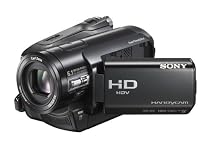

Sunday, 6 June 2010

Sony HDR-HC9 6MP MiniDV High Definition Handycam Camcorder 10x Optical Zoom


A Barely Upgraded HDR-HC7...But Still A Great Camera5

After looking at the specs to this new HDR-HC9 I noticed that Sony's HDR-HC7 (last year's model) was almost identical to Sony`s latest in MiniDV technology. I began digging in the specs department for awhile on both Sony's website and here on Amazon. I was able to determine the following differences between the two:


- The Sony HDR-HD9 boasts on it's Amazon specs that it has upgraded to a 2.0 USB connector leaving the old 1.1 design behind however the specs sheet on Sony's homepage seem to dispute this claiming the HDR-HC9 is still plagued with the old technology. I rarely use any sort of camcorder for still pictures I do have a 512MB Memory Stick installed in my unit for that "just-in-case" moment we've all been in. Even in the rare occasion I do snap a couple experimental stills while on vacation I always use a card reader to transfer the pictures to my PC not the USB interface.


- The supplied software is obviously upgraded. The Sony HDR-HC9 comes with Picture Motion Browser version 2.0.17


- If you really care about stills (and take a lot of them...I mean a lot of them) the Sony HDR-HC9 can now handle an 8GB Memory Stick compared to the HDR-HC7's 4GB.


- The general color of the new HC9 is black (which I prefer over the cheap space-age looking silver of the HC7) but this is just a consumer's preference no reason to upgrade.


- It has been posted on other websites that the HDR-HC9's manual focus has been improved over the HC7's.


I've been trying my best to come up with something more but honestly this is all I could find. This camcorder is basically the HDR-HC7 with a new paint job and a few minor modifications. Not to say this is a bad camera...far from it. I shoot exclusively with Sony camcorders and this one is by far the best I've ever owned.


If you happen to own the HDR-HC7 don't be swindled into upgrading. As the few minor spec differences above point out you already own the new HDR-HC9 minus the 8GB Memory Stick storage capacity and the onyx color scheme. Compare the specs for yourself if you find anything that differs between these two models feel free to list them in the comments section under this review. I searched for 30 minutes and this is the best I could do.


As far as the camera performance itself...what can I say? It's a Sony top of the line. If you want to shoot quality HD movies but don't want to break your bank account the Sony HDR-HC9 or HDR-HC7 is probably the right fit for most people's budgets.


I also prefer shooting with this camcorder because of the MiniDV tapes it uses as opposed to all the other media platforms such as DVDs Hard Drives Flash Memory...etc.. This format (MiniDV) is an industry standard and if you are planning on editing your videos with computer software (Adobe Premiere Sony Vegas Studio) this is the ONLY way to go.


DVDs and Hard Drive camcorders require a lot of MPEG-2 video compression and when the video itself is transferred to your PC and edited into files the quality of the video is compressed again. Finally when burning your finished film to DVD the files are degraded once more leaving the footage pixilated and grotesque...like someone ran it through a garbage disposal. Something to think about.


Product Highlights:


- MiniDV (my format of choice)


- HDMI hook-up (for a quick plug-n-view of your footage in beautiful high def)


- Switchable HDV/DV formats (just in case you don't need to shoot in HD)


- Professional quality Carl Zeiss Vario-Sonnar T lens


- Widescreen display


- Compact size (for an HD camera this is VERY convenient )


Product Down-points:


- I really wish Sony would have given us a 25x optical zoom...it would have put this little guy over the top as far as camcorders in this price range


- The touch screen interface is a bit cumbersome (sometimes feels like a rat maze when just trying to find a single button) plus it leaves annoying fingerprints


- The supplied battery is a joke definitely need an upgrade


Recommended Accessories:


- Sony NPFH100 H Battery (This thing goes through juice quick)


- Sony VF37CPKS Filter Kit (Protect that lens)


- Sony LCSVA31 Soft Carrying Case

More detail ...

Tuesday, 1 June 2010

Canon XH-A1S 3CCD HDV High Definition Professional Camcorder with 20x HD Video Zoom Lens III


WARNNING for new 8GB 3G owners and ipod touch 3G Review5

Before i start let me just tell you "what's New" with the iPod touch Third generation" :


-Faster Cpu/Double the ram/Better graphic (faster Boot time/faster loading is all what i did notice)

-Double the storage for the same old price

-Voice control (I'll explain it in a second)

-Latest firmware for free

-New Earbuds with built in remote+Microphone (So you can use voice control)


And that is everything~ depends on your needs upgrading from 2G to 3G might be not worth it.


*Important Note* : only the New iPod touch 32GB/64GB are third generation ~ (8GB is repacked 2G) Details below.


About the new Voice control function if you love to take your iPod with you to the Gym the new feature "Voice control" is pretty cool it does allow you to control your music via your voice no need to get the iPod out of your pocket you can simply say "Next" to move to next song say "shuffle" for shuffle say "Pause" and music playback will stop etc that is why i recommend the iPod touch over iPod classic for gym users my friend bought an iPod classic and now he complains that the iPod classic is too heavy for him when he goes to the gym and he will have to buy another iPod "properly Nano" for his Gym for me i use my iPod touch for the gym it's so light that sometimes i forgot that it's even in my pocket.


After playing with my iPod touch 3g for a while i honestly did not notice any difference from the outside or the inside compared to my old iPod touch Second generation (It's supposed to be faster but i did not notice anything during music and video playback or the menus however browsing with safari and loading facebook was faster same thing with boot time) you properly can only notice it being faster with heavy applications since video/music playback is already fast enough with 2G.


I got the 64GB iPod 3G for [...]$ if you think of upgrading your 2G iPod touch honestly do yourself a favor and save yourself the money unless you really need that much of a storage (I do that is why i bought one) also remember that the 3G battery lasts less than 2G(3G battery = 30 Hours of music playback versus 2G 36 hours of music playback according to apple official specs)


*VERY IMPORTANT* for the people who wants the new 8GB version the new third generation 8GB iPod touch is NOT 3G it's a second generation iPod touch but apple did repack it/renamed it to 3rd generation which seems to be misleading by APPLE and it's not cool at all it is IPod Touch 2G+Updated firmware and that is it.


The iPod touch 3rd generation 32GB/64GB versions comes with a free mic+remote with the earbuds while the 8GB do not (it comes with normal earbuds) the 32GB/64GB have the New CPU+Graphic (According to apple the new cpu is twice as fast just like the iPhone 3GS) while the new 8GB use the same old CPU/Chip from the old iPod touch second generation.


Here is APPLE description on the iPod touches page about the 32/64GB versions : """Enjoy all the great features of the 8GB model along with better performance richer graphics and voice control"""


The iPod touch 3rd generation is the same awesome iPod touch second generation was.

You can play your music/watch your videos/play games even read your kindle books/etc "you can read amazon big description of what it's capable of if you do not know yet it's better than what would i say because it has pictures and everything.


The iPod touch got the best browser i have ever seen in a portable device i do not even need to carry my netbook with me anymore thanks to my iPod touch if you hated browsing with lame browsers that crash a lot or slow (many mobile phones) trust me on this one the iPod touch browser is not a toy or a gimmick it is a browser you can depends on it's super fast and smooth and after using it for like a full year it has only crashed on me once!


Short list of pros and cons about the iPod touch


Pros:

-Slicksmall and light device

-Great touch screen

-The BEST web browser on a portable device

-Amazing video/music playback

-App Store (Too many cool applications for Free)

-Display screen is clear and bright

-No bugs and annoying stuff a very reliable hardware

-64GB Flash based mp3 player


Cons:

-Not much of an upgrade over 2G (people were disappointed because they did not get upgrades like camera/OLED/etc)

-Weaker battery only lasts 30 hours for music playback versus 2G iPod touch 36 Hours music playback

-Expensive for the 64GB version

-Still no FM radio without the use of online applications

-Bluetooth is still half locked


Update : one more reason to avoid the 8GB ipod touch Apple announced today "April 09 2010" that iPhone 4.0 OS will be released this summer and it will bring many new features to the iphone and ipod touch however some features like Multitasking will only be available for iphone 3GS and higher or Ipod touch third generation and higher (As i said before the 8GB is second Generation only a third generation 8gb ipod touch do not exist! so you wont be getting multitasking if you buy the 8GB ipod touch)


I hope my review was helpful :)More detail ...

Sunday, 30 May 2010

Sony DCR-HC52 MiniDV Handycam Camcorder with 40x Optical Zoom


Entry Level Handycam5

First let's correct the Amazon description this is a 40X optical zoom camera not 25X as seen on the product itself.


This is a great camera to start out with the simplicity of Mini DV tapes makes this a good value choice. DVD camcorders in this price range suffer from bad battery life and disk errors that can render your disks useless. The Mini DV tapes are tried and true.


I use an Apple computer at home and the camera connects to iMovie with no problems using the iLink port on the camera. All you need in most cases is a Firewire 6pin to 4pin cable and you are good to go.


The video and audio quality are good and the night vision is fun too. This is not a upper level camera so don't expect several bells and whistles but it performs great and has the basic features most people will ever need. The battery life is fair but that is expected all camcorder companies want you to buy an extra battery but at least Sony gives you several options.


With a full charge and a new tape expect about an hour of record time.More detail ...

Canon VIXIA HV40 HD HDV Camcorder with 10x Optical Zoom


The Latest Revision of an Excellent Camcorder5

Over ten years ago I bought Sony's legendary TRV-900. It was a consumer camera so good and so ahead of its time that it remained on the market for four years - an eternity in the consumer electronics industry.


Canon has a similar product in their HV series HDV camcorders. They released such an outstanding camera two years ago with the HV20 that the two new models since (the HV30 and now the HV40) are really just small refinements of a mature and well designed product.


**NEW FEATURES**

So let's get one thing out of the way up front: There really isn't much of a difference between this camera and last year's HV30 (which was a small upgrade on the superb HV20). As an HV20 owner I felt right at home when this arrived and I powered it up. Video quality is about the same they look pretty much the same and overall performance is the same too.


What is different is the addition of true 24P recording which offers a more film-like frame rate over the standard 30 frames per second. It should be noted that prior versions of this camera (as well as Canon's AVCHD models) also shoot 24P but that mode requires additional software to get to "true" 24P video when editing. You'll want to check to ensure that your editing software supports true 24P footage as it's not a configuration that is on many consumer cameras.


**AVCHD OR HDV?***

If you're reading this it's likely that you're in the market for a new camcorder. It's also likely that you're confused over the multitude of different formats currently available: hard disk flash memory tape etc. etc.


Despite the many recording mediums the current crop of consumer cameras can be delineated into two camps: AVCHD (the hard disk and flash based cameras) and HDV (tape based).


HDV cameras have two advantages over their AVCHD counterparts. The first while not as compelling a reason as a year ago is compatibility. HDV was the first consumer HD format and is almost universally supported by just about every video editing software package released over the last three to four years. In addition the HV40 can also shoot in the older standard definition DV format a format so old that even software and hardware from ten years ago can work with the footage.


Another factor to consider is the firewire port. Want to record directly to your PC or Mac? Or perhaps do a live broadcast to UStream or Stickam? HDV cameras like the HV40 stream compressed video in realtime over Firewire something the AVCHD cameras don't do.


Still Canon's AVCHD cameras are now recording at a higher bitrate and with a more advanced video compression algorithm that makes for better image quality. Canon's flash based cameras like the outstanding VIXIA HFS100 are mostly solid state and lack the complex (and delicate) machinery of a tape-based camcorder like the HV40.


**CONCLUSION**

Canon's HV20 was a very mature product right at launch and that maturity continues in this iteration. Still there's nothing so compelling in the HV40 that makes it a necessary upgrade for HV30 or HV20 owners. For first time buyers if you're able to pick up an older model at a lower price you won't be making much of a sacrifice in terms of features. It's a great camera just not any greater than the prior versions!


For most consumers HDV cameras are old technology. In fact I wouldn't be surprised if the HV40 is the last tape-based camcorder Canon releases to market. AVCHD has matured to the point that I am now recommending that to friends over HDV based cameras. AVCHD's lack of moving parts combined with the very low cost of flash memory makes it tough to recommend the bulkier mechanical alternatives like the HV40.


If however you're using an older computer or need to stream video live the HV40 is one of the best (if not the best) HDV consumer cameras on the market.

More detail ...